Lean-In Tower

Every year about 5 million tourists visit Italy to see the leaning tower of Pisa. This magnificient structure has been leaning for about 830 years. However, this tower’s origin lies in the fact that there was an architectural design and engineering flaw. It is leaning because it was built on unstable soil, and the foundations basically gave up.

Jehovah Metsudhathi

The Bible tells us about another tower.
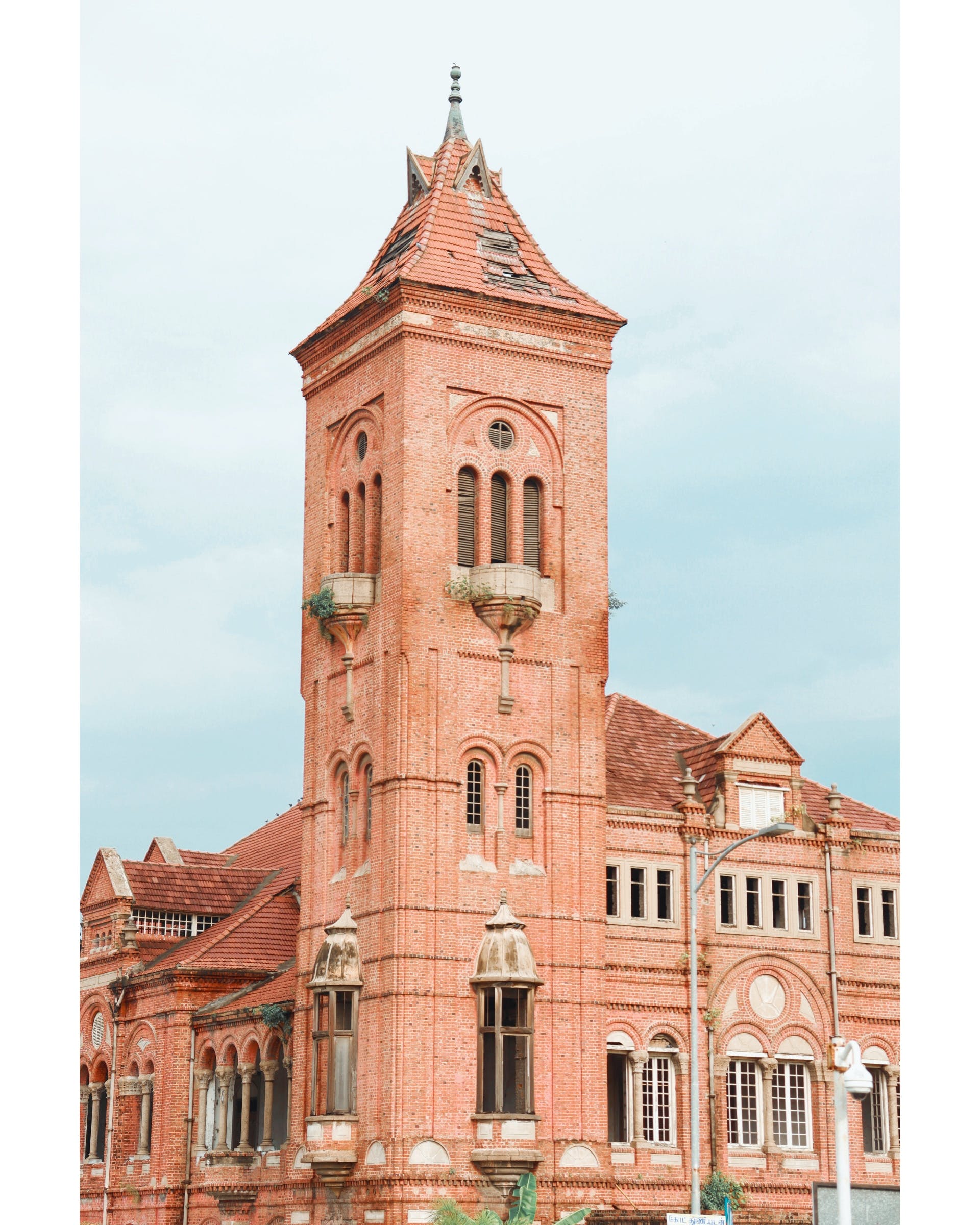
Proverbs 18:10 – The name of the Lord is a strong tower; the righteous run into it and are safe.
Psalms 18:2 – The LORD is my rock, and my fortress (Metsudah), and my deliverer; my God, my strength, in whom I will trust;

For King David who was a man of war, the strength and the position of the tower meant life and death. Defensive towers were used for shielding and offensive towers were used to rain down missiles on the enemies.

However David fought his battles differently. On one hand he did use the physical towers that were strategically built. But his strength came from the other tower – the name of the Lord.

Picture this classic moment in 2nd Samuel Chapter 5: David, newly anointed king over Israel, knew that the Philistines are on the hunt for him. What does he do? He heads straight to his stronghold (tower). Compare that to today’s “Situation Room” in the White House, where the President and military leaders plot strategic moves. But here’s the difference—David isn’t mapping out war plans in his tower.

2nd Samuel 5:17,19 (NIV): When the Philistines heard that David had been anointed king over Israel, they went up in full force to search for him, but David heard about it and went down to the stronghold. 19 so David inquired of the Lord, “Shall I go and attack the Philistines? Will you deliver them into my hands?” The Lord answered him, “Go, for I will surely deliver the Philistines into your hands.”

David won this round of the battle. But when the Philistines came back again to attack him, David went back to the Lord for the next war strategy.

22 Once more the Philistines came up and spread out in the Valley of Rephaim; 23 so David inquired of the Lord, and he answered, “Do not go straight up, but circle around behind them and attack them in front of the poplar trees.

Having received new set of directions, David marched ahead as instructed and won that battle as well.

Life Application
1. Begin Early: David did not learn the art of relying on God when he became king and found himself in trouble. Way back, when nobody was looking, and he was alone dealing with lions and bears while taking care of his father’s sheep, David learned to trust God in those battles. His testimony was “The Lord who saved me from the paw of the lion and the paw of the bear, He will save me from the hand of this Philistine” (1 Samuel 17:37). Cultivate a habit of reading God’s Word and listening to his counsel at a young age.

2. Be Submissive. The battle in 2nd Samuel Chapter 5 was not David’s first battle. Despite his experience, David consistently seeks counsel from the Lord. It’s a valuable lesson: let’s make a habit of turning to the Lord, even when it might not immediately make sense to us.

3. Be Flexible. Humans are creatures of habit. When one method works, we stick to it, and we are reluctant to change our ways. David knew the Philistines well. After all, his first victory was against Goliath the Philistine. But he was willing to listen to the advice of the Lord when new battle plans were given to him.


Achieving victory against the enemy’s attacks is within your reach. When faced with discouragement, negative thoughts, or the temptation to quit, you can emerge as a triumphant warrior by running into Jehovah Metsudhathi, the strongest tower ever! He is your Lean-In, Lean On, Live In Tower.


Raise Your Cup!

In America, raising a cup is a universal symbol of celebration. Whether it is a toast at a wedding or the victorious hoisting of the Stanley Cup in the NHL, these moments are etched into our collective memory. Cameras capture every angle, ensuring that whether you’re a fan at a Championship game or a joyous wedding guest, your smartphone is poised to help you treasure these memories forever.

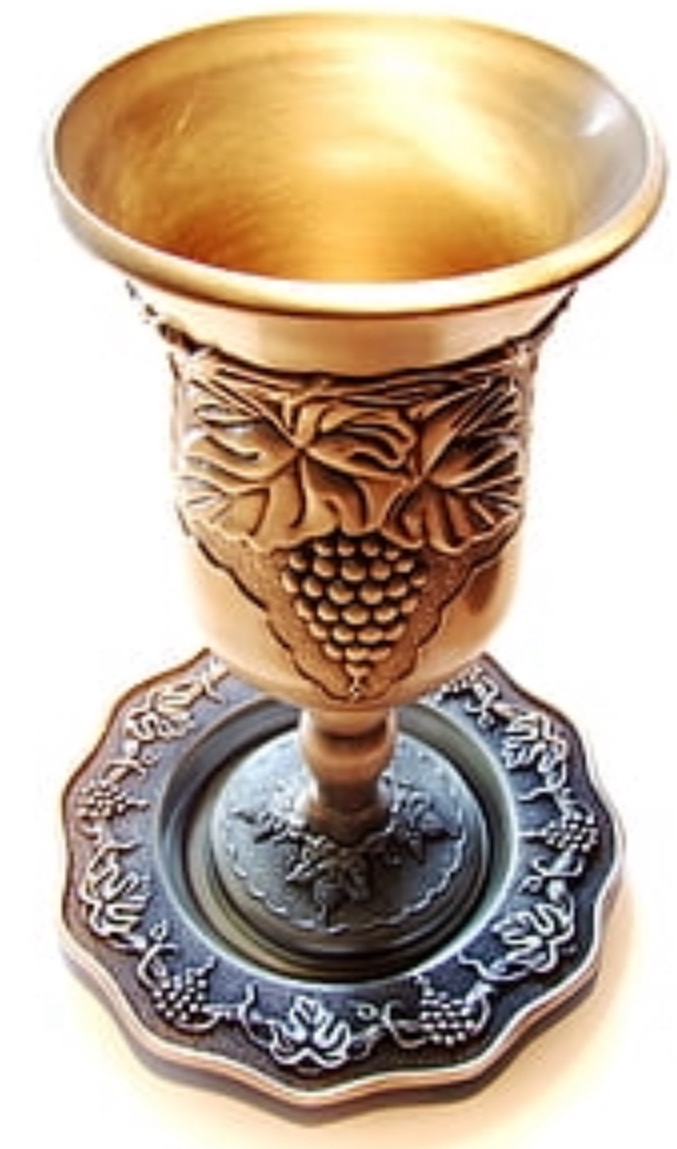
Bible talks about raising another cup. It is called the Cup of Salvation.
Psalms 116 verses 13-14 (NIV)
13 I will lift up the cup of salvation and call on the name of the Lord.
14 I will fulfill my vows to the Lord in the presence of all his people.


The first 5 verses of this psalm says God has heard. The next 5 verses says God has helped.

Vows during distress
In the Old Testament times, when a Jewish person goes through distress, he would cry out to God and makes vows to the Lord. It was like saying, “God, if You help me through these hard days, I promise to do something special for You.” Jacob did this when he ran away from his house, fleeing from Esau.
Genesis 28:20 (NIV) Then Jacob made a vow, saying, “If God will be with me and will watch over me on this journey I am taking …. then the Lord will be my God …and of all that you give me I will give you a tenth.”

Celebration of gratitude
So when the difficult days are over, the one who made the vow to the Lord would go to the temple to offer up a sacrifice. It was called the peace offering. It is a way of saying thank you to God for all the good things He gives us. This was a costly sacrifice because it has to be an animal without blemish. In the New Testament Jesus became our sacrificial offering and thus gave us the Cup of Salvation that we can raise up to God with thanks.

Life Application
The last week of November is often called the Thanksgiving Week. We gather with friends and family, enjoy good food, and have a time of celebration. As our Instagram feeds turn into a mouthwatering feast for the eyes with a variety of turkey dishes and savory apple ciders, let’s not forget to lift our cups of gratitude.

Deutronomy 8:10-11 (NIV): “When you have eaten and are satisfied, praise the Lord your God for the good land he has given you. Be careful that you do not forget the Lord your God…”

Pause for a moment, flip through the pages of your calendar, and reminisce about the tough times—the stressful days, the weeks of sickness , and the periods of worry. Recall how, through it all, the Lord delivered you. Let your sacrifice of praise and thanksgiving be the secret ingredient that transforms your Thanksgiving Day into a truly unforgettable celebration in the eyes of the Lord.


Turning Marred Pots Into Marvels

A beautiful mural that stretches across the wall, that blends colors and shapes, a sculpture in the park, or a food display created by a world renown chef. All these things capture our attention. We are mesmerized by the beauty and skills of the artist. But have you wondered how these masterpieces were created?

There was once a famous master potter. Let’s call him Jim. He was the go-to guy for all pottery needs in his town. Jim’s pots were used in palaces, weddings, and national events. His team carefully took his pots, painted and decorated and packed them for their destinations.

But there was one pot that had a problem. It was marred, disfigured and destined to be ignored.

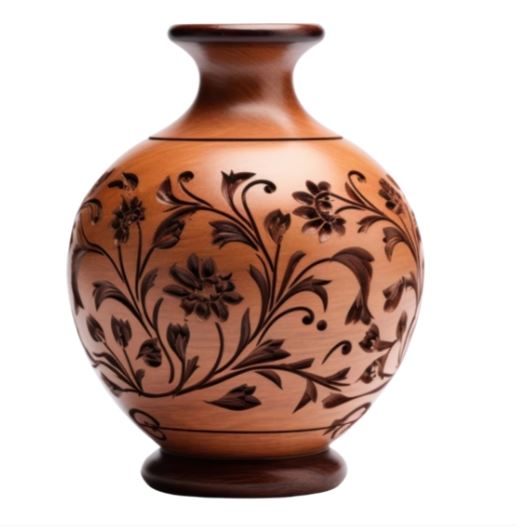
Jeremiah 18:4 (NIV): But the pot he was shaping from the clay was marred in his hands;

In our hustle-and-bustle world, fixing what’s broken often takes a backseat. In a factory, anything out of line usually ends up in the trash. For an artist, a mistake might mean reaching for a fresh canvas. A worn-out pencil? Easily replaced with a shiny new one. And when it comes to vehicles, the old ones make way for newer, sleeker models.

But this pot wasn’t in our hands (thankfully!). It was in the hand of someone better than Jim – God! He was patient with it. He had invested considerable amount of time finding the soil in the mountain area, carefully removing the rocks, and adding just enough water to make the clay. He wasn’t going to give up on this pot. The next part of that same verse says:

So the potter formed it into another pot, shaping it as seemed best to him.

Clay Pot repair

The pot now has hope! It has a new chance at life. It shall no longer be called ugly, outcast, or useless. The Master has a new plan for the pot. We are not told why the pot was marred in the first place but what matters is that the Master saw the plight of the pot. He knew that this pot still had potential. So he created a new masterpiece out of the marred vessel.

Today I want to remind you that you too have hope! Paul, Peter, Jacob, and Moses are some examples of marred pots that were turned into shiny new pots.

So be encouraged as you remain in the Master’s hands. He has a plan for you! Commit your brokenness, limitations, and failures to Him. He can transform them into something beyond your dreams.

Adventure to Divine Destiny

In just a few weeks, the holiday travel rush will be in full swing. It’s no surprise that delayed flights and vacations rescheduled for later have sadly become part of the norm these days. If we could gauge the combined sighs and groans of travelers these days, it would be more than the sounds at a music festival. In the Book of Ruth, we are introduced to a woman whose plans were changed.But it wasn’t her long awaited vacation plans to Hawaii. Ruth’s whole life journey was turned upside down in just a few years. She was a Moabite woman, whose journey started when she got married to a man named Mahlon. A Moabite was forbidden, by God, unto the tenth generation to enter into the presence of God, for their failure to help the children of Israel. Naomi’s life in Moab Life in Moab was a real rollercoaster for Naomi. Initially, her husband Elimelech passed away, and shortly after, her two sons, Mahlon and Chilion, also departed from this world. All her dreams of having a big, happy family and enjoying a peaceful retirement flew out the window. All that remained were her two daughters-in-law, Orpah and Ruth. Fork in the Road In the midst of a long dusty road, we find three widows walking and making their way back to Bethlehem. Naomi urges them to not continue with her on the thirty mile journey. Orpah calls it quits and decides to go back to Moab. Your God, My God It is at this crucial moment, that Ruth utters the most poetic expression of love that has ever been penned. Though we hear this in wedding ceremonies, depicting the love of the bride and groom, these statements were uttered in the midst of a painful choice that Ruth had to make. Ruth 1:16 -“But Ruth said, entreat me not to leave you, or to turn back from following you, for wherever you go, I will go. Wherever you lodge, I will lodge. Your people shall be my people, your God, my God. And where you die, I will die. And there I will be buried. The Lord do so to me– Yahweh do so to me and more, if anything but death parts you and me” What is remarkable is her commitment to Yahweh God, whom she has known only with her relationship with Naomi’s family. Ruth is making an everlasting commitment to the God that she had only recently heard of. Life changed forever! And with that, she changed the trajectory of her life. Her destiny was changed. Those generational curses? Wiped out! Banished from God’s presence? Not anymore! Her descendants considered as outcasts? Never again! Her future has been totally transformed! Despite being a Moabitess who, wouldn’t have had the chance to experience God’s presence, she ended up blessed beyond measure with just one heartfelt statement. She even became the great-grandmother of King David and her name is in the genealogy of Christ (Matthew 1:5)! Life Application Are we, as second or third-generation Christians in a land of abundance, still committed to serving the God of the Bible? Has reading God’s Word now become a chore? Is prayer now just a memory of what our grandparents used to do? And do we find Sunday sermons “boring” unless they come with props? If so, it might be time for a U-turn back to God and a renewed commitment. Your destiny too can be changed for ever!

Thankful in the Painful

As we transition from the candy-filled frenzy of October to November, a sense of gratitude is in the air. For many Americans, November is synonymous with Thanksgiving, a time when we reflect on the things we’re thankful for. Social media feeds fill up with gratitude posts, and some even embark on a daily thankfulness journey throughout the month. But have you ever wondered if it’s possible to be thankful when life deals you a tough hand? Can you find gratitude in the midst of pain and disappointment? The answer lies in the extraordinary story of Leah.

Leah’s Unexpected Life Journey

Leah’s life didn’t unfold as she’d imagined it in her youth. She likely dreamed of finding love, getting married, and living happily ever after. However, her reality was quite different.

In Genesis 29:17, we learn that Leah was described as having “delicate” eyes, while her sister Rachel was renowned for her beauty. The exact meaning of “delicate” is unclear, but the verse suggests that she was not considered as attractive as her younger sister. Leah, despite being the older sister, lived in Rachel’s shadow. Rachel was everything Leah aspired to be, and it seemed that Leah couldn’t measure up.

Enter Jacob, the man of her dreams, or so she thought. Unfortunately, Jacob’s heart was set on Rachel, not Leah. Jacob worked seven long years to marry Rachel, only to be deceived by their father, Laban, who substituted Leah for Rachel on their wedding day. Imagine the heartbreak and disappointment Leah must have felt.

Leah’s life continued in the shadow of her sister’s beauty and love. However, there was one who saw the pain she endured. In Genesis 29:31, we’re told, “When the Lord saw that Leah was unloved, He opened her womb, but Rachel was barren.” This theme of God’s special care for those facing life’s challenges is a recurring theme throughout the Bible.

Choosing Gratitude Through Pain

In our world, recognition often goes to those who possess beauty, popularity, wealth, humor, talent, or power. However, God’s focus lies in close proximity to those with shattered hearts, offering salvation to those whose spirits are crushed.

While the story of Leah is quite familiar to many, what’s notable is that as she gave birth to her first three children, she named them with a focus on her sense of despair, hoping that her husband would finally love her:

  • Reuben: “The LORD has surely looked on my affliction. Now therefore, my husband will love me.”
  • Simeon: “Because the LORD has heard that I am unloved, He has therefore given me this son also.”
  • Levi: “Now this time my husband will become attached to me because I have borne him three sons.”

The birth of her first three sons reflected her desperate hope for Jacob’s love, but things took a turn when she had her fourth child. Her perspective shifted, and she decided to praise God. She called him Judah (pronounced yaw-dah).

In Hebrew, “praise” is “yāḏâ” (yaw-daw’), and she declared, “Now I will YADA my God.” Regardless of her circumstances, Leah chose to focus on God and praise Him. This transformation was a turning point in her life.

A Legacy of Praise

This decision to praise the Lord resulted in the birth of a son whose lineage would lead to the Messiah. Leah’s act of praise, despite her emotional pain, had a lasting impact for generations to come. Her great-great-great-grandson was David, the renowned psalmist. Leah’s choice to worship in the face of adversity had a profound effect on her descendants.

A Beautiful Ending
In the end, Leah’s faithfulness and praise were honored in a way that surpassed her sister’s beauty. Genesis 49:31 says that when she died, she was buried alongside the patriarchs Abraham and Isaac, alongside their wives.

Leah’s final resting place is a remarkable testament to her faith and the contrast between her and her sister, Rachel. She was interred in the same sepulcher as the patriarchs Abraham and Isaac, alongside their wives. In stark contrast, Rachel, who clung to her father’s idols as they departed Laban’s household, passed away on their journey and was buried in an unmarked location.

Leah’s choice to praise God, having witnessed His remarkable ability to transform seemingly insurmountable challenges into miracles, stands in stark contrast to Rachel’s disposition. Rachel’s heart remained tethered to worldly idols, ultimately leading to her passing during their journey.

Though Jacob’s chosen companion in life was Rachel, it was God’s decree that Leah, the unloved and seemingly unfortunate figure, would share her final resting place with Jacob, forever intertwining their destinies in death.

Her commitment to praising God, even in the darkest times, was a testament to her enduring faith.

As we celebrate Thanksgiving and reflect on our own lives, let Leah’s story inspire us. Even in the most challenging circumstances, we can choose to praise, find strength, and leave a legacy of gratitude that transcends our lifetime.

So, as you navigate the ups and downs of life this year, remember Leah’s example. Whether you’re facing financial struggles, relationship issues, or any other challenge, resolve to give thanks and spend time with the Lord. Through it all, praise can be your anchor.

Let Leah’s story remind you that gratitude can be your strength, no matter what life brings your way.

Raise that Flag!

Our world is filled with celebrations. From the familiar days like Flag Day, Mother’s Day and Thanksgiving Day, to the little-known days like National Croissant Day we are always looking to celebrate something or someone. Did you know that there is even a “National No Socks Day”?

But one day that generally seems to unite all Americans is July 4th – Independence Day. We are thankful for the freedom that was achieved that day and we are honored to raise the American flag in our homes, churches and civic centers.

Exodus Chapter 17 talks about an event where the children of Israel raised a flag. Shortly after their victory from Pharoah and the bondage of Egypt came a war that they were not equipped to fight. No sooner had they collectively let out the sigh of relief from the beatings on their back, came the terrifying sounds of a new war.

Notice here that this war came as soon as they started their journey to Canaan, the Promised Land. Didn’t God promise to Moses that He would lead them to land flowing with milk and honey after they celebrate the Passover? Did not God give them the assurance that if they put the sign of lamb’s blood on their doorposts that they would be spared from the wrath of the angel of death? Of course, He did!

So why does He allow this deafening sound of the Amalekite army? Sometimes God allows us some trials to teach us new things. He wants us to not just know what he can do, but more importantly, He wants us to know HIM. He wants us to experience Him in a very personal way.

Moses knew this very well. So, he did what he knew best. He raised his hands and surrendered. But it is not the kind of surrender that we do when we throw in the towel and say “I can’t anymore”, or “I’ve had it”. This is a different kind of surrender.

This is a surrender to the Almighty God. His lifting up of hands did not mean that Amalekites had won. Rather it meant the opposite. When Moses lifted his hands the Israelites won the battle.

As you read this article, you may be facing some battles where the enemy is telling you to give up. He wants you to throw your hands up and surrender. Do it! But do it the way Moses did.

And Moses built an altar and called its name, The-Lord-Is-My-Banner. (Exodus 17:15 NKJV)

In this battle Moses had his helpers, his prayer partners, Aaron and Hur. Moses also had his warrior partners like Joshua who were ready to fight the battle till the victory was won.

Today as you go through life’s struggles Raise That Flag and shout it out loud in faith – Jehovah Nissi – The Lord is my Banner!