Walking in Valley of Baca

Traveling for business or vacation has become more hectic, with flight cancellations, poor hotel rooms, and unexpected events like hurricanes often disrupting plans. The Bible likens our life to a journey, filled with both joyful moments and times of uncertainty. Psalm 84 offers a powerful outline of this life journey.

Psalm 84:5-7: Blessed are those whose strength is in you, in whose heart are the highways to Zion. As they go through the Valley of Baca, they make it a place of springs; the early rain also covers it with pools. They go from strength to strength; each one appears before God in Zion.

Psalm 84 is classified as a pilgrimage psalm, sung as praise by those who traveled to Jerusalem to worship.

Meaning of Baca
The Valley of Baca, derived from the Hebrew word “bakah,” meaning weeping, is often referred to as the Valley of Weeping. Pilgrims are said to pass through this valley on their journey, though scholars debate whether it’s a real location or a metaphor for a difficult phase in life. Regardless, they agree that Baca represents a challenging experience.

Strength before Baca.
Psalm 84:5 begins with, “Blessed are those whose strength is in you,” highlighting that before pilgrims reach the valley of Baca, they are strengthened by the Lord. This verse emphasizes that we are not meant to journey alone; God offers us a reliable source of strength, but we must choose to rely on it.

Passing Through Baca
Traversing this treacherous valley means enduring harsh, arid conditions that can leave travelers extremely thirsty. Some of the characteristics of Baca:

  • Dry land: Baca is a place of extreme, and sometimes extended periods of dryness. There will be times you feel hopeless like Hagar felt (Genesis 16).
  • Deserted land: Baca is also a deserted place where you feel there is no one to help. Walking on roads marked with rocks of uncertainty is certainly painful.
  • Distorted land: In Baca, it can feel like everything you’ve known and believed, and even your faith in God, becomes distorted and distant. Trying to navigate your way through this land may seem futile at times.

Baca to Berakah
The Psalmist reminds us that when we trust God, the Valley of Baca can transform into the Valley of Berakah, a place of blessings. Even in dry times, they discovered pools of water, and as they waited for relief, God’s power came through, bringing refreshing rain to their parched land.

Strength to Strength
Travel can often leave us weary—kids exhausted, adults drained, and spirits low by the time we collect our luggage. But in this journey, something extraordinary happens. The traveler who trusts in God doesn’t just endure; he rises above it all, feeling more rejuvenated and full of vigor than ever.

End of Journey
Verse 7 reassures us that everyone will reach their destiny: Zion. Despite the dryness of the desert, the scorching heat, and the long, desperate days waiting for rain, nothing could stop the travelers from arriving at their destination.

Personal story
This blog article is written from the depths of the worst Valley of Baca my family and I have ever experienced. On June 4, 2024, our beloved 16-year-old daughter, Hannah, was called to her eternal home. Her sudden passing plunged us into a deep valley of weeping. Hannah was not just a proofreader, translation assistant, and audio reviewer for this blog ministry—she was our greatest encourager. Her absence is deeply felt in our daily lives and in all the ministries we are part of.

Walking through this valley has been incredibly difficult, yet the Bible reminds us that God is close to the brokenhearted. In this valley, where noises of confusion and despair seem to overwhelm us, we still hear God’s gentle whispers of comfort. In moments when the weight of grief feels unbearable, we sense God’s eternal hands beneath us, holding us up. As waves of sadness bring rivers of tears, we feel His presence wiping them away, renewing our strength and giving us hope. We hold tightly to the promise of His Word, knowing that we will see her again on the other shore. But in the midst of our sorrow, we are encouraged by the legacy of our daughter’s life, which continues to produce new lives committed to serving the Lord.

Life Application
One thing we’ve learned through our own grief is that everyone walks through their valleys of Baca at some point. If life has led you through seasons of deep disappointment, heartbreaking loss, or overwhelming confusion, take heart—God has promised to be with you every step of the way. Even when the enemy whispers that it’s too much to bear, remember God’s unshakable promise: He will never leave you (Hebrews 13:5). Let His promises nourish your soul, and allow His Word to strengthen your heart. The Psalmist reminds us, “O LORD of hosts, blessed is the one who trusts in you.” The same God who gave us strength before our valley, and walks with us through it now, is faithful to guide you through yours. One day, we will look back and see His faithfulness through it all. So even in grief, choose to find hope, for our God is the same yesterday, today, and forever.

Side Note:
I began writing this article before Hannah went to her eternal home. It’s taken time and God’s strength to come back and finish it. My family and I would deeply appreciate your prayers as we continue to walk through this valley of grief.

Audio version: spoti.fi/3NCh0un

Spanish version: ​https://dewdropsofmanna.com/spanish-pages-list/caminando-por-el-valle-de-baca/

Hindi version:​ ​https://bit.ly/4hh2DJI

Tasting In Testing

Have you ever experienced a dangerous situation, where you felt the weight of danger lift off your shoulders at the last possible moment? Perhaps it was deliverance in a car accident, or maybe a medical breakthrough for your sickness. These moments of narrowly escaping disaster often leads us to thanking God for divine providence. The Bible tells us of many such events, but one person who has experienced this many times is: David.

Psalm 34:1,8 – I will praise the LORD at all times; my mouth will continually praise him. O taste and see that the LORD is good, blessed is the man who trusts in Him.

Some of the most beautiful and reassuring verses in the Bible were not
penned by men of God in peaceful settings; rather, they emerged from their
crucibles of sufferings. Psalms 34 and 56, for instance, were born out of David’s moments of extreme trouble, facing threats from all sides with no way out. The experiences described in 1 Samuel 21 provide the backdrop for these powerful psalms.


Proud Moments to Peril
Not long before this, David had triumphed over the giant Goliath. However, his newfound fame led King Saul to pursue him relentlessly, deploying all his military and intelligence assets to capture and kill David. David found himself in danger, feeling betrayed by the very Israelites he had saved from Goliath.
In desperation David runs into the land of Gath. Gath was the hometown of Goliath. Perhaps he went there because he felt that would be one place that Saul would not come looking for him. But the people of Gath captured him and brought him to their King Achish.

Songs from David’s Soul
During this desperate and life-threatening moments, David’s soul turned to God in songs from his heart. Psalm 56 outlines the pain and his prayer: “Be merciful to me, my God, for my enemies are in hot pursuit; all day long they press their attack.”


Tasting God in the “I Scream” moments
In these perilous times, David captures the goodness of God in Psalm 34:8 with these words: “Taste and see that the Lord is good; blessed is the one who takes refuge in him.” David emphasizes that God’s goodness isn’t merely heard about, seen in others, or found online on social media—it must be experienced firsthand. Just as tasting a favorite food brings a unique satisfaction beyond words, encountering God’s goodness brings a depth of sweetness beyond description.

Despite his circumstances, David’s heart is steadfast and focused on the provision of God. God gave him a rescue plan that was unique and never again repeated in the Bible: pretend to be a madman in front of the hostile king!

The process of tasting God’s goodness isn’t like walking into an ice cream store and asking for samples. Rather these came in the “I SCREAM” moments of life. In this taste test, we may go through the most desperate, debilitating, discouraging, and downward spirals of life. When everything seems like it has hit rock-bottom, we will see the everlasting hands of Jesus our Rock of ages.

Personal story
In this first week of May, my wife and I celebrate 24 years of God’s faithfulness. Our journey is filled with stories of God turning impossibilities into blessings. After years of praying for a child and enduring pregnancy losses, we experienced the miracles of having 3 beautiful children. Through painful trials of sickness and even near-death situations, we have tasted His goodness firsthand. Our story is a testament to what only God can do.

Life Application
Amid life’s ups and downs, we experience joy, trials, and everything in between. Despite varying challenges, we find peace in knowing God orchestrates every detail. As Luke 12:7 reminds us, God’s intimate care extends even to the hairs on our heads. David closes Psalm 34 with a reassurance: “The LORD redeems the life of his servants; none of those who take refuge in him will be condemned.” So take heart and let’s boldly counter confusion with confidence, proclaiming victory through Jesus in every circumstance.

Spanish: https://dewdropsofmanna.com/spanish-pages-list/degustacion-en-pruebas/
Hindi: https://tinyurl.com/3w2uap8e

Untie The Unqualified

Picking the best airline or rental car is crucial for any travel venture. It is especially important when our trips involve impactful missions or crucial meetings. But on his most important journey, Jesus chose the a humble mode of transportion: a donkey.

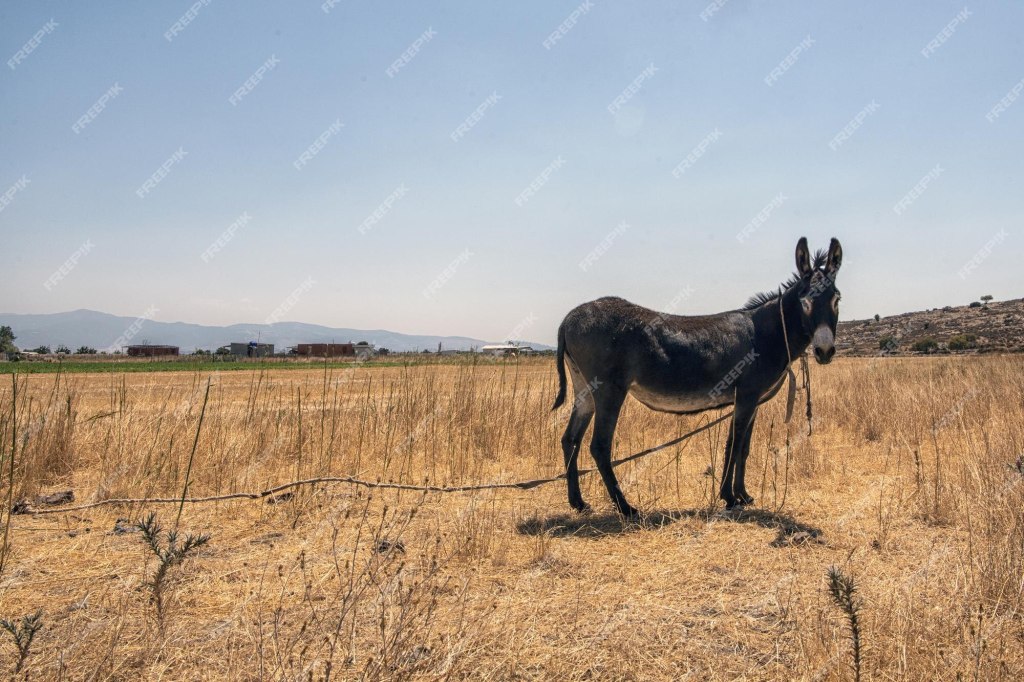
Mark 11:1-3: “And said to them, “Go into the village in front of you, and immediately as you enter it you will find a colt tied, on which no one has ever sat. Untie it and bring it. If anyone says to you, ‘Why are you doing this?’ say, ‘The Lord has need of it..”

Lord Needs It
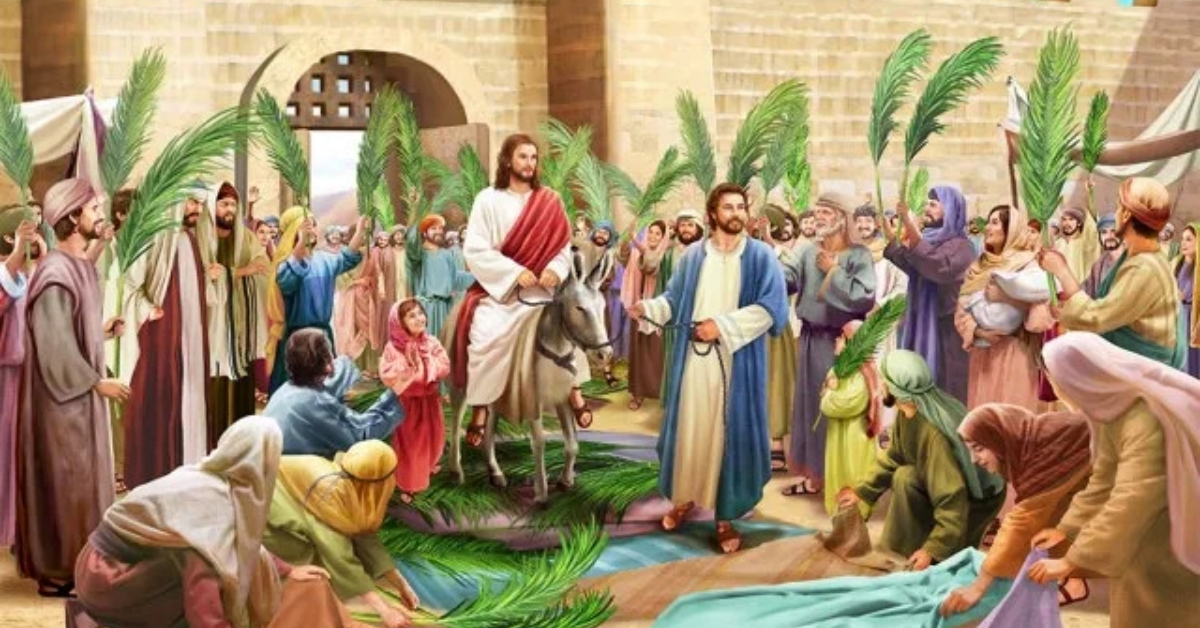
Jesus sends two disciples to get him a colt to ride into Jerusalem. Interestingly, this is the only time the words “The Lord has need of it” is mentioned in the Bible. God, all-powerful and lacking nothing, at times invites us to join Him in performing miracles. Similar to the boy sharing his lunch with Jesus, or the people whom Jesus asked to take away the stone from Lazarus’ tomb, God may involve us in these moments.

Reason for the Donkey Ride
So why did Jesus choose a donkey? Let’s explore some of the reasons:

  • Perfector of Past Prophecy: About 500 years prior to this event, Zechariah had prophecied this: “Behold, your king is coming to you; righteous and having salvation is he, humble and mounted on a donkey, on a colt, the foal of a donkey.” (Zechariah 9:9).
  • Perfect Servant: Gospel of Mark portrays Jesus as the Suffering Servant. Jesus rides a borrowed donkey, similar to Him borrowing Peter’s boat for preaching, and later borrowing Joseph of Arimathea’s tomb for burial. He chose the donkey to emphasize that he connects with the poor and oppressed. What a humble Savior we have!
  • Perfect Peacemaker: In the Old Testament, kings used to arrive on donkeys in order to signify that they come in peace. Horses were used in wars, and as decorated animals to signify a victory in a war. So this lowly donkey was indeed the right choice for the Master who came to give us peace with God!
  • Perfector of Future Prophecy: Jesus came on a donkey in his first coming because it wasn’t yet time to come on a horse. Revelation Chapter 19 shows Jesus riding triumphantly on a white horse.

Unqualified Yet Untied
This donkey would be the least likely choice if Jesus tasked his disciples with finding the best one for him to ride. Training a new colt to ride is a long process. This colt did not have the training or experience that was needed to carry the King of Kings into a Triumphant entry. Moreover, it wasn’t in the same village, making it unlikely to be discovered. But the Master knew exactly which animal he has chosen and his instructions was : Untie him!

Glory to God Alone
This humble donkey, whose name, town, and owners remain unknown, received no recognition for its work. When chosen by God for a task, we should ensure all glory goes to Him.

Life Application
If Jesus used this lowly animal to carry Him, He certainly can use you! If the enemy convinced you that you are indeed an inferior, remember that the Master knew the one that was inexperienced, outside and tied up!
1 Corinthians 1:27 says: “But God chose what is foolish in the world to shame the wise; God chose what is weak in the world to shame the strong;” His Word is everlasting and His promises are unchanging. So, you too can have hope, if you choose to trust Him and make yourselves available for Him!

Leave a comment

Tiny Coins, Timeless Impact

Coin collection is a hobby that people have enjoyed for many centuries. Collectors spend hundreds of dollars in the process of acquiring the rarest, most unique coins. But did you know that there was a set of coins in an offering basket that caught heaven’s attention?

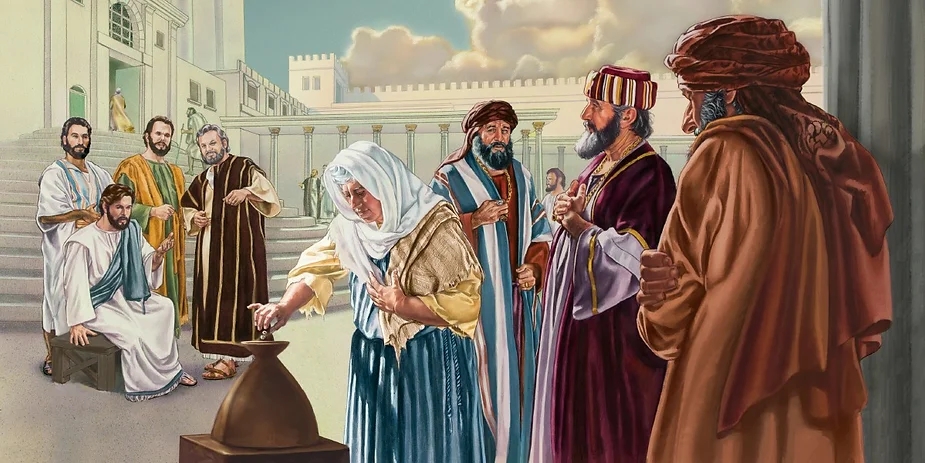
Mark 12:42-44 – But a poor widow came and put in two very small copper coins, worth only a few cents. Calling his disciples to him, Jesus said, “Truly I tell you, this poor widow has put more into the treasury than all the others. They all gave out of their wealth; but she, out of her poverty, put in everything—all she had to live on.

Window into Widows Life
In ancient Israel, widows faced neglect and mistreatment and had no one to plead their case. Acts 6 recounts discrimination against a group of widows during food distribution. Yet, the Bible imparts valuable lessons through widows’ lives, revealing God’s heart through humble members of society.


Clinking of the Coins
In the temple courtyard, there were 13 trumpet-shaped collection chambers, each designated for different offerings. Seated opposite these receptacles, Jesus keenly observes the varied ways in which people contribute. People joyfully dropped money into the thirteen boxes, relishing the rhythmic cascading sound of coins, often attracting positive attention and approving glances of others.


Mighty Mites
Verse 42 says: “Then one poor widow came and threw in two mites.” A mite is the smallest denomination in Jewish currency, worth only one-eighth of a cent. Though her quarter cent offering was practically worthless in human eyes, this poor woman’s offering caught the eyes of the Master! Contrary to our inclination to applaud famous givers, heaven recognizes the profound sacrifice made by a humble widow with her two small coins.

Portion versus Proportion
The widow’s offering held special significance as she gave everything she had. Although the portion of her monetary contribution might not have surpassed others, Jesus acknowledged it as MORE because of the depth of her sacrifice. While others gave without sacrifice, she offered her all, making her portion proportionally greater in the eyes of the Lord.

More than Money
Beyond finances, this principle extends to every aspect of our service to the Lord. Key lessons from this widow include:

  • Faith: Facing an uncertain future without any other tangible support, and risking her livelihood, this woman placed unwavering faith in God. She trusted in His ability to supple her needs. Perhaps inspired by the biblical account of the widow of Zarephath (1 Kings 17:7-16), her act of giving became a testament to her steadfast belief in God’s providence.
  • Sacrifice: Giving when you have very little is a daunting task, yet this woman did not withhold her last two copper coins from the Lord. Her sacrificial act mirrors God’s ultimate sacrifice for us: Jesus. God values offerings that involve true sacrifice, a principle King David understood very well.
    In 1 Chronicles 21:24 King David insists on buying the plot for sacrifice for full price. He declares that he will not offer burnt offerings that come without a cost or sacrifice on his part.

Personal Story
While personal stories aren’t a regular feature in my blogs, this passage stirred memories of my maternal grandmother from the land of Kerala, India. Widowed at 45, she, a single mother of six, placed her trust in the Lord. Despite limited resources, she selflessly shared food with those in need, sometimes leaving her own children hungry. The Lord took note of this, blessing her with the opportunity for all her children to come to America. She lived in this land for over 27 years, witnessing the goodness of the Lord to her children and grandchildren until she passed away at the age of 93.

Life Application
Let us never underestimate the offering, whether it’s our finances, services, talents, or worship. Embrace the call to wholeheartedly give to the Lord. Understand that He sees the sincerity in your sacrifice despite any perceived limitations or weaknesses on our part. Hebrews 6:10 says: God is not unjust; he will not forget your work and the love you have shown him as you have helped his people and continue to help them.
So, let’s make a decision that we will sacrificially give Him our time, our resources, and our wealth. He is a God who is faithful to His Word.

Dreams To Diamonds

Dr. Martin Luther King Jr’s “I Have a Dream” speech stands out as one of the most iconic speeches ever. It instills hope for a better future for America. The Bible talks about another man who was a dreamer: Joseph.

 Genesis 37:5 (NIV): Joseph had a dream, and when he told it to his brothers, they hated him all the more.

Shattered Dreams, Shatter-proof Faith
The story of Joseph starts with two hope-inspiring dreams given by God. But the events that followed certainly were challenging and difficult.

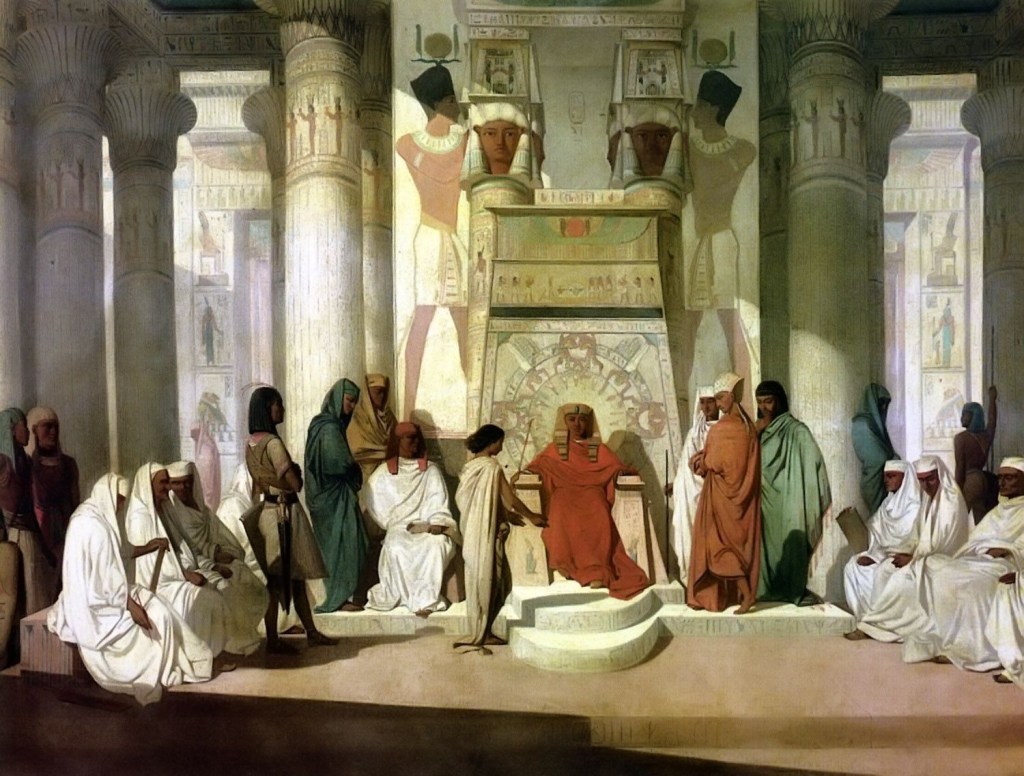
Imagine Joseph’s emotional condition as he sat in a pit, when he was loaded on strangers’ chariots to a foreign land, or thrown into an Egyptian dungeon. His hopes and dreams seemed shattered.

However, through it all, Joseph held onto his faith in God and believed that God who gave him the dreams would someday come through for him. Here are some ways that he shatter-proofed his life:

  • Life without complaints: Joseph’s life was full of instant reversals. From favorite son to slave, from Potiphar’s house commander to prison, he went through the highs and lows of life. However, we never see Joseph complaining.
  • Life without compromise: Being accused of doing wrong when being faithful to God can throw any believer into a state of depression, and potentially turn our hearts away from God. Joseph chose to do the best he can in the sight of God and man, regardless of his circumstances.
  • Life without revenge: One of the hallmark characters of Joseph’s life is that he chose to forgive. Whether sold by brothers, imprisoned by Potiphar’s wife, or forgotten by the chief butler, he chose forgiveness. In fact, he even named his first son Manasseh, which means “God has made me forget entirely my troubles and my father’s house.”
  • Life without pride: In the latter part of Joseph’s life, he rose to an unimaginable position, going from a pit to a palace. Despite this, he remained humble and did not boast about his achievements. Genesis 50:20 is a beautiful summation of his selfless life:
    You intended to harm me, but God intended it for good to accomplish what is now being done, the saving of many lives.

Dreamer to Visionary
When Joseph chose to acknowledge God’s presence and His plan in every aspect of his life, God chose to change this dreamer into a visionary. While it was two dreams that were the root cause of his chaos, God caused two dreams to become the stepping stones to his crowning as prince of Egypt!

Dreams that chase after you
We’ve all heard people say “chase after your dreams.” But the Bible gives us a different perspective: God given dreams will chase after you, as long as you remain faithful to God. Psalm 23:6 says: “Surely goodness and mercy will follow me all the days of my life.”

Life Application
You may be in the midst of some shattered dreams and lost hope. Perhaps the last year, or the last decade, did not go as planned. Don’t give up! The words “The Lord was with Joseph” echoes four times in one chapter! That means, God was with him in the pit, in the chariot of the Midianite traders, in the house of Potiphar, in the prison, and even in the palace. In life’s trials, when the enemy tries to make you feel lonely and dejected, remind yourself that God’s Word says that He will never abandon us. He knows the count of every hair on your head, and is aware of your dreams and your detours. So, take heart and trust in Him. He can transform dungeons into diamonds, problems into prizes, and pain into pleasures.

Spanish version: Los Sueños a Los Diamantes – Dew Drops of Manna

Hindi version: http://tinyurl.com/ycy33ard

Restorer Of Lost Years

In the world of advertisements, promises to restore damaged things are many. From restoration of old photographs, to restoration of flooded homes, the possibilities seem endless. However, they all lack one thing: the ability to restore the years that are lost.

In the Bible we see a time when the Israelites needed a restoration. Locusts swarmed in, wrecked their hard-earned harvest, stole their daily food, and even took a bite out of future harvest by devouring the seeds.

In the midst of these seemingly unending years of disaster, depression, and destroyed hope, the word of the Lord comes through prophet Joel:

Joel 2:25-26 (ESV): I will restore to you the years that the swarming locust has eaten …And my people shall never again be put to shame.

The verses preceding this provide its context, revealing that these events are God’s response to rebellion and disobedience. Even in seasons of punishment and correction, we can find assurance that it all rests under the careful control of our loving Almighty God.

The hope of restoration bestowed by God is unlike any the world can offer. His restoration process turns devastation into unparalleled beauty, leaving no remnants of its previous condition.

Let’s look at two examples of people whose lives were restored.

Abraham and Sarah

For a quarter-century, this couple patiently awaited the fulfillment of God’s promise for a child. Despite moments where they deviated from the divine plan, causing a delay, God’s faithfulness remained unwavering.

Genesis 23:1: Sarah lived 127 years; these were the years of the life of Sarah.

Sarah is the only woman in the Bible whose years are mentioned at her death. Have you wondered why? It is to demonstrate to us that Sarah had 37 years to spend with, to laugh with, to enjoy the promise of God – Issac!

Peter The Disciple

Peter’s walk with Jesus resembled a roller coaster ride, complete with moments of triumph and despair, including his denial of Jesus at the time of crucifixion. Yet, the Lord wasn’t done with Peter. On the shores of the Sea of Tiberias, where Peter had resumed fishing, Jesus appeared, initiating the restoration of their relationship.

John 21:17 (ESV): He said to him the third time, “Simon, son of John, do you love me?” Peter…said to him, “Lord, you know everything; you know that I love you.” Jesus said to him, “Feed my sheep”
John 21:19 (ESV): … And after saying this he said to him, “Follow me.”

Peter was given a second chance to follow Jesus, and this time he did not disappoint. Acts 2:17-41 describes the Day of Pentecost when Peter stood up and gave his first speech. Three thousand people were saved and became followers of Jesus!

Do you see the restoring power of the Lord? The man who denied Jesus 3 times, was asked 3 times if he loved Jesus, and in his first evangelism sermon, 3000 people signed the pledge card!

Peter writes in his epistle about the restoration power he experienced.
1 Peter 5:10 (NIV): And the God of all grace, who called you to his eternal glory in Christ … will himself restore you and make you strong, firm and steadfast.

Life Application
Maybe you’ve been the one who let Him down repeatedly, and you don’t feel like you can be restored. Perhaps life’s trials, loss of a loved one, ongoing ailments, or shattered dreams have made you lose focus on Him. God is still doing miracles and restoring lives. So allow the Master Renovator to restore your lost years. Regardless of why the years slipped away, He has the power to revive, refresh, and transform you into something truly beautiful.

Listen to this blog on Spotify


Lean-In Tower

Every year about 5 million tourists visit Italy to see the leaning tower of Pisa. This magnificient structure has been leaning for about 830 years. However, this tower’s origin lies in the fact that there was an architectural design and engineering flaw. It is leaning because it was built on unstable soil, and the foundations basically gave up.

Jehovah Metsudhathi

The Bible tells us about another tower.
Proverbs 18:10 – The name of the Lord is a strong tower; the righteous run into it and are safe.
Psalms 18:2 – The LORD is my rock, and my fortress (Metsudah), and my deliverer; my God, my strength, in whom I will trust;

For King David who was a man of war, the strength and the position of the tower meant life and death. Defensive towers were used for shielding and offensive towers were used to rain down missiles on the enemies.

However David fought his battles differently. On one hand he did use the physical towers that were strategically built. But his strength came from the other tower – the name of the Lord.

Picture this classic moment in 2nd Samuel Chapter 5: David, newly anointed king over Israel, knew that the Philistines are on the hunt for him. What does he do? He heads straight to his stronghold (tower). Compare that to today’s “Situation Room” in the White House, where the President and military leaders plot strategic moves. But here’s the difference—David isn’t mapping out war plans in his tower.

2nd Samuel 5:17,19 (NIV): When the Philistines heard that David had been anointed king over Israel, they went up in full force to search for him, but David heard about it and went down to the stronghold. 19 so David inquired of the Lord, “Shall I go and attack the Philistines? Will you deliver them into my hands?” The Lord answered him, “Go, for I will surely deliver the Philistines into your hands.”

David won this round of the battle. But when the Philistines came back again to attack him, David went back to the Lord for the next war strategy.

22 Once more the Philistines came up and spread out in the Valley of Rephaim; 23 so David inquired of the Lord, and he answered, “Do not go straight up, but circle around behind them and attack them in front of the poplar trees.

Having received new set of directions, David marched ahead as instructed and won that battle as well.

Life Application
1. Begin Early: David did not learn the art of relying on God when he became king and found himself in trouble. Way back, when nobody was looking, and he was alone dealing with lions and bears while taking care of his father’s sheep, David learned to trust God in those battles. His testimony was “The Lord who saved me from the paw of the lion and the paw of the bear, He will save me from the hand of this Philistine” (1 Samuel 17:37). Cultivate a habit of reading God’s Word and listening to his counsel at a young age.

2. Be Submissive. The battle in 2nd Samuel Chapter 5 was not David’s first battle. Despite his experience, David consistently seeks counsel from the Lord. It’s a valuable lesson: let’s make a habit of turning to the Lord, even when it might not immediately make sense to us.

3. Be Flexible. Humans are creatures of habit. When one method works, we stick to it, and we are reluctant to change our ways. David knew the Philistines well. After all, his first victory was against Goliath the Philistine. But he was willing to listen to the advice of the Lord when new battle plans were given to him.


Achieving victory against the enemy’s attacks is within your reach. When faced with discouragement, negative thoughts, or the temptation to quit, you can emerge as a triumphant warrior by running into Jehovah Metsudhathi, the strongest tower ever! He is your Lean-In, Lean On, Live In Tower.