Mara to Merry

Imagine preparing for an important life event—whether a promotion, buying a house, or a family milestone. You put in the time, effort, and dedication, only to fall short or face unexpected failure. What a disheartening moment! That’s how Naomi felt when her once-hopeful life was clouded by disappointment and grief.

Ruth 1:20 (AMP)- She said to them, “Do not call me Naomi; call me Mara (bitter), for the Almighty has caused me great grief and bitterness.
Famine and Famished
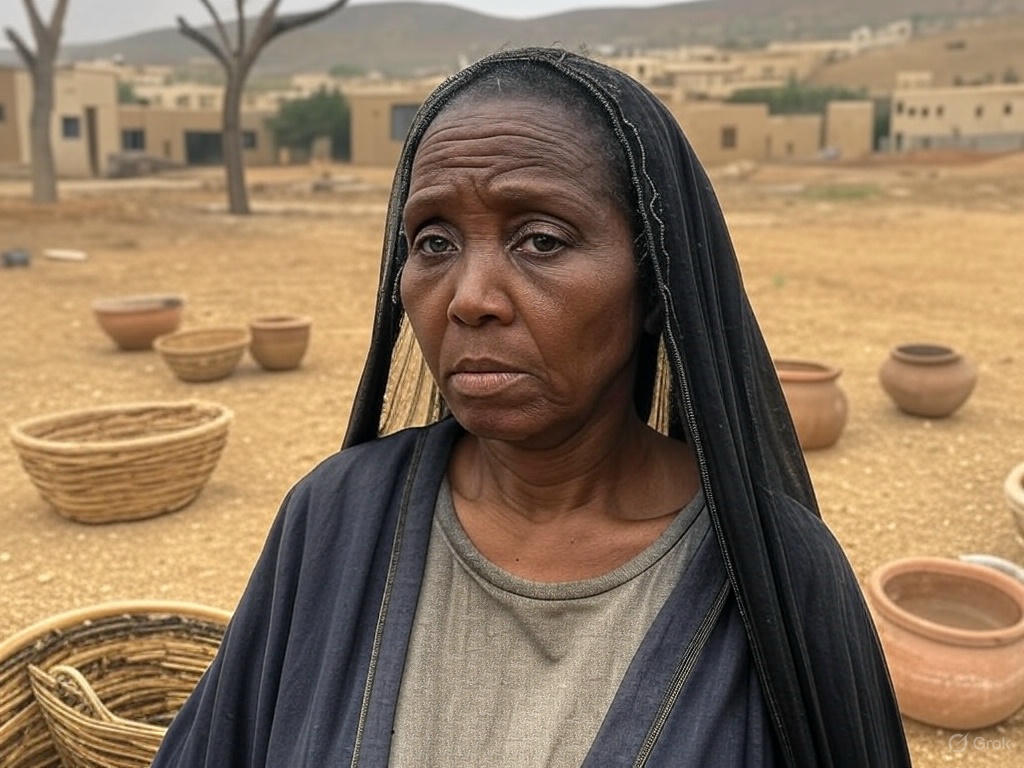
Naomi’s life began in the land of Bethlehem, which was also known as “house of bread.” Life was going exactly as she had planned: get married, have children and enjoy life as much as she can. But soon all that she had planned and imagined had come to a screeching halt when famine hit the land. Soon all that was beautiful turned ugly. Trees were bare, water was scarce, and all that was left were the empty baskets that once held abundance of bread.

Moving to Moab
Exhausted and dejected Naomi and her family left their homeland and went into the land of Moab. In our eyes it would seem like the next logical thing to do. Afterall, Moab was just 25 miles away and even if they had to walk there, it seemed doable. But in God’s eyes, Moab was an accursed land.

Deuteronomy 23:3-6: No Ammonite or Moabite shall enter the assembly of the LORD; none of their descendants, even to the tenth generation, shall ever enter the assembly of the LORD, because they did not meet you with food and water on the way when you came out of Egypt, and because they hired against you Balaam … to curse you.

Naomi left God’s house in a time of famine. Sometimes we too go through this feeling of dryness. You can’t hear or feel God. Even coming to church doesn’t seem to help with the famine. So we turn to Moab where everything seems to be fun, laughter, and full of life.

Bread of Bitterness
Initially everything looked good in Moab. She was able to find enough food for her family’s sustenance. Her children, Chillion and Mahlon, grew up to be strong young men. They acclimatized themselves to the cultures of Moab. Soon they found themselves two Moabite women to be their wives: Orpah and Ruth, respectively.

But life in Moab did not turn out to be all that Naomi imagined it to be. Within a span of just 10 years, her husband Elimelech, and her two sons passed away. Naomi was left with her Moabite daughters-in-law. It is at this point Naomi realized that the temporary bread and pleasures that Moab had offered were in fact the bread of bitterness and sorrow. While urging Orpah and Ruth to go back to their own families, Naomi tells them: “It is more bitter for me than for you, because the Lord’s hand has turned against me!” (Ruth 1:13).

Returning to Bethlehem
She decided to return back to Bethlehem. This is the best decision that Naomi made. Even when the future was unclear, she knew she can find refuge in the land that God had initially had blessed. Orpah decided to return to her land, while Ruth clung to Naomi. If she stayed in Moab she would’ve missed out on what God had in store for her life. When going through painful seasons of our life, we can still trust God and run into His unchanging arms.

Name Change: Pleasant to Bitter
In the Bible, name changes often promise a hopeful tomorrow, like Abram turning into Abraham. But Naomi, whose name meant pleasant, said to her people, call me Mara, which means bitter. Life had battered her with grief, loss, and those heavy, lonely moments so many of us know too well. Naomi’s anguished plea to be called Mara, was a raw cry of her shattered soul.
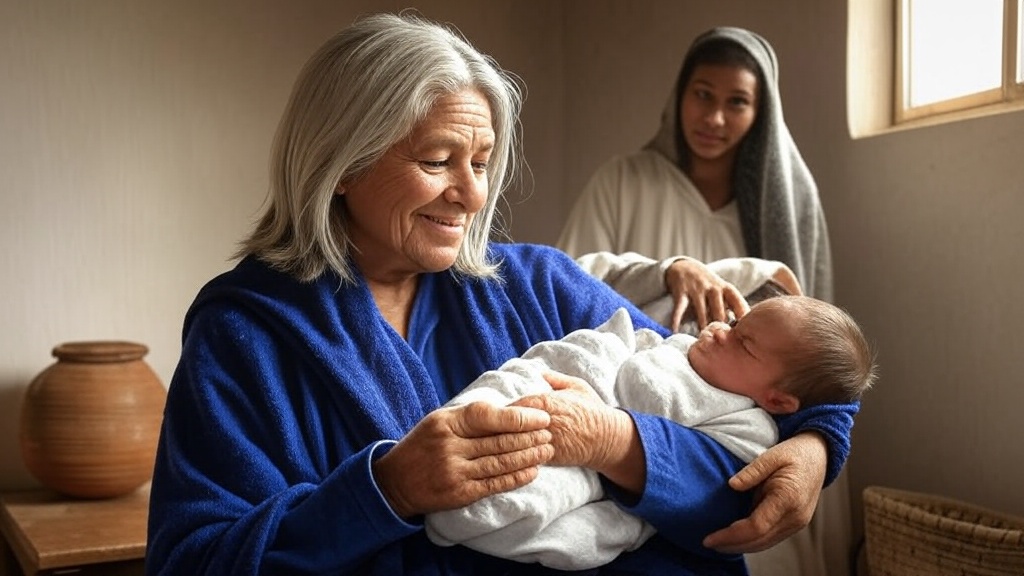
Life Change: Bitter to Beauty
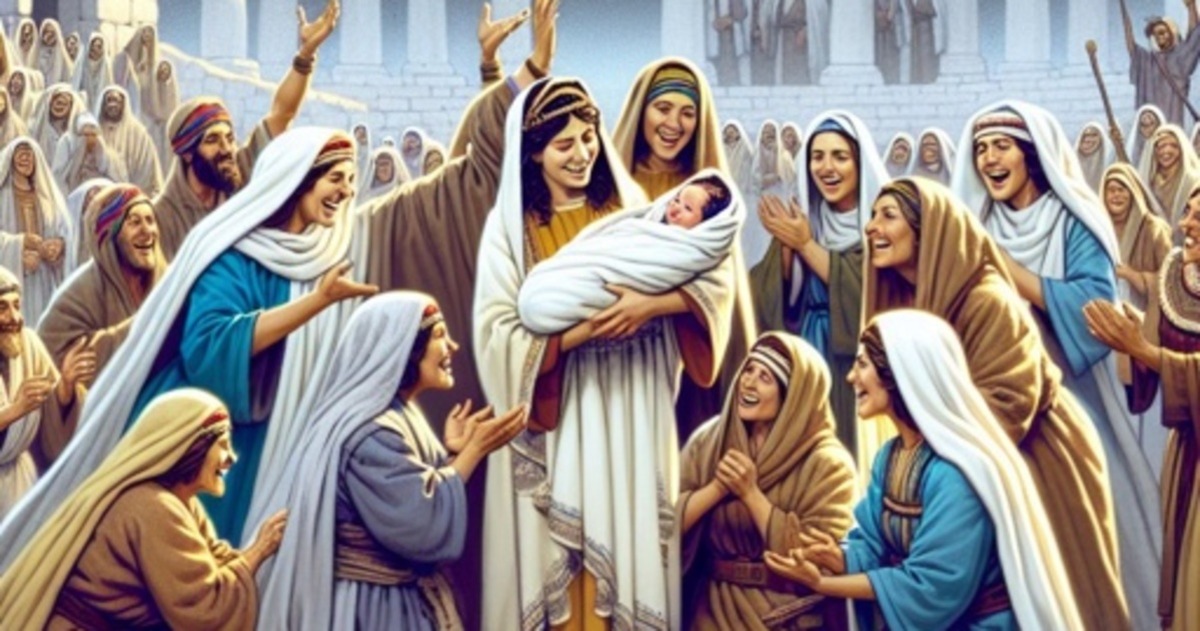
The story of Naomi’s life is that God was able to make something beautiful come out of something bitter. God had orchestrated Naomi’s life in such a manner that eventually she became the caretaker of Ruth’s newborn baby Obed. One version translates Ruth 4:16 as: “Naomi took the child and she held him near to her. She took care of him as if he was her own son.” God changed Naomi who once proclaimed that she has no son left in her (Ruth 1:14) into one that held a grandson in her bosom!

Our Mara Story
When our beloved 16 year old daughter Hannah passed away unexpectedly a few months ago, we felt the same way that Naomi felt. Our hearts were crushed and our hopes were dashed the moment we realized that our miracle baby has bid farewell to us, and has been taken to her eternal home. My family and I felt the crushing arrows in our hearts, and at times we too wanted to rename ourselves to some version of Mara. But when the waves of pain come like a strong tide, we find that God is indeed a present help in trouble. Taking refuge in Him does not remove the pain of losing our dear child. But the Spirit of God comes to us as a comforter. We know for certain that our daughter is now enjoying life, full of joy, in the presence of our Savior Jesus. We have the peace that only God can give as we live each day knowing that we will see her soon.

Life Application
One lesson we can all learn from Naomi’s life is that God is able to change any hopeless situation into a heavenly future. While Naomi was looking at how things had turned out in the past, God was orchestrating her mess to become a message for many. We may not understand the reason why the Mara situations happen in our life. But we can be certain that even through it all God is faithful to hold our hands and walk with us, every step of the way. As my family and I go through our “mara” moments, we are encouraged to see that many people have rededicated their lives to serve God, after they heard how Hannah served God even through her 9 years of suffering. We earnestly request your prayers as we navigate this season of our life.
Walking in Valley of Baca

Traveling for business or vacation has become more hectic, with flight cancellations, poor hotel rooms, and unexpected events like hurricanes often disrupting plans. The Bible likens our life to a journey, filled with both joyful moments and times of uncertainty. Psalm 84 offers a powerful outline of this life journey.

Psalm 84:5-7: Blessed are those whose strength is in you, in whose heart are the highways to Zion. As they go through the Valley of Baca, they make it a place of springs; the early rain also covers it with pools. They go from strength to strength; each one appears before God in Zion.

Psalm 84 is classified as a pilgrimage psalm, sung as praise by those who traveled to Jerusalem to worship.

Meaning of Baca
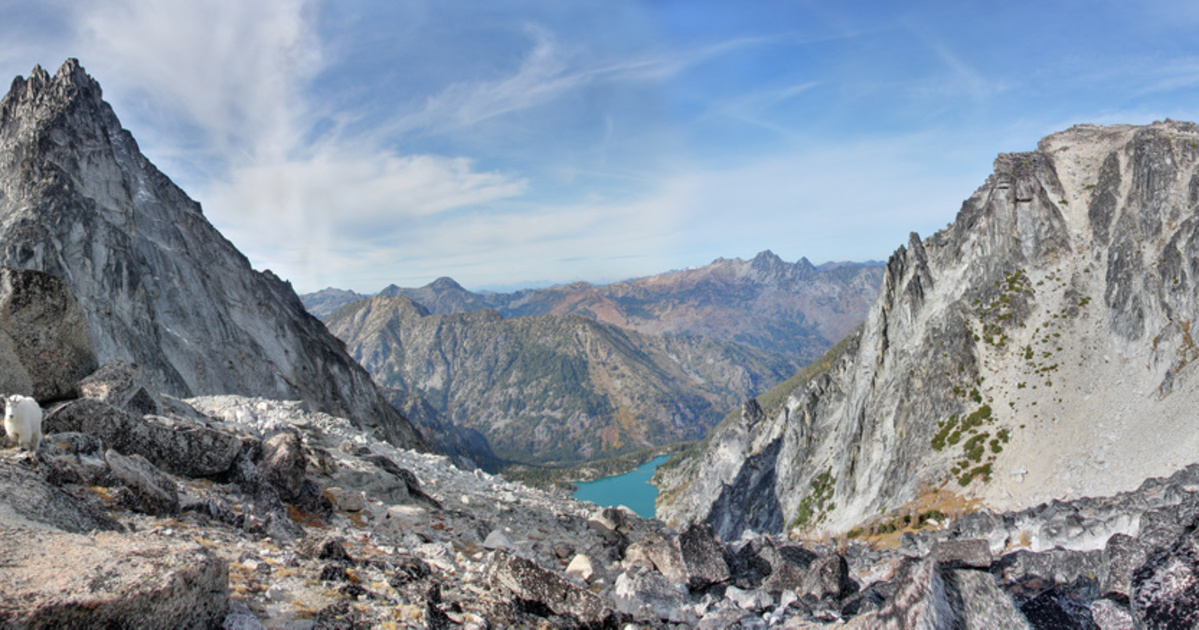
The Valley of Baca, derived from the Hebrew word “bakah,” meaning weeping, is often referred to as the Valley of Weeping. Pilgrims are said to pass through this valley on their journey, though scholars debate whether it’s a real location or a metaphor for a difficult phase in life. Regardless, they agree that Baca represents a challenging experience.

Strength before Baca.
Psalm 84:5 begins with, “Blessed are those whose strength is in you,” highlighting that before pilgrims reach the valley of Baca, they are strengthened by the Lord. This verse emphasizes that we are not meant to journey alone; God offers us a reliable source of strength, but we must choose to rely on it.

Passing Through Baca
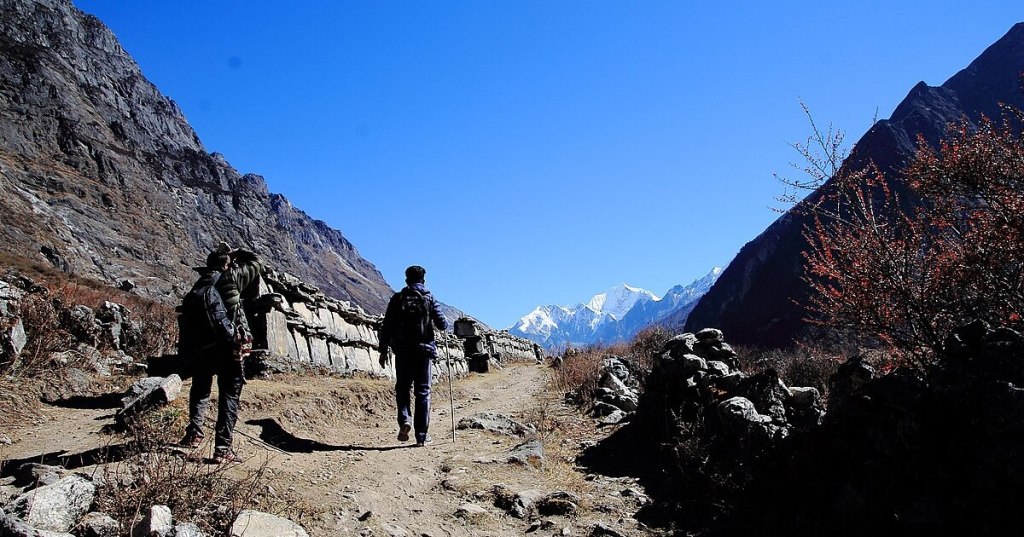
Traversing this treacherous valley means enduring harsh, arid conditions that can leave travelers extremely thirsty. Some of the characteristics of Baca:

  • Dry land: Baca is a place of extreme, and sometimes extended periods of dryness. There will be times you feel hopeless like Hagar felt (Genesis 16).
  • Deserted land: Baca is also a deserted place where you feel there is no one to help. Walking on roads marked with rocks of uncertainty is certainly painful.
  • Distorted land: In Baca, it can feel like everything you’ve known and believed, and even your faith in God, becomes distorted and distant. Trying to navigate your way through this land may seem futile at times.

Baca to Berakah
The Psalmist reminds us that when we trust God, the Valley of Baca can transform into the Valley of Berakah, a place of blessings. Even in dry times, they discovered pools of water, and as they waited for relief, God’s power came through, bringing refreshing rain to their parched land.

Strength to Strength
Travel can often leave us weary—kids exhausted, adults drained, and spirits low by the time we collect our luggage. But in this journey, something extraordinary happens. The traveler who trusts in God doesn’t just endure; he rises above it all, feeling more rejuvenated and full of vigor than ever.

End of Journey
Verse 7 reassures us that everyone will reach their destiny: Zion. Despite the dryness of the desert, the scorching heat, and the long, desperate days waiting for rain, nothing could stop the travelers from arriving at their destination.

Personal story
This blog article is written from the depths of the worst Valley of Baca my family and I have ever experienced. On June 4, 2024, our beloved 16-year-old daughter, Hannah, was called to her eternal home. Her sudden passing plunged us into a deep valley of weeping. Hannah was not just a proofreader, translation assistant, and audio reviewer for this blog ministry—she was our greatest encourager. Her absence is deeply felt in our daily lives and in all the ministries we are part of.

Walking through this valley has been incredibly difficult, yet the Bible reminds us that God is close to the brokenhearted. In this valley, where noises of confusion and despair seem to overwhelm us, we still hear God’s gentle whispers of comfort. In moments when the weight of grief feels unbearable, we sense God’s eternal hands beneath us, holding us up. As waves of sadness bring rivers of tears, we feel His presence wiping them away, renewing our strength and giving us hope. We hold tightly to the promise of His Word, knowing that we will see her again on the other shore. But in the midst of our sorrow, we are encouraged by the legacy of our daughter’s life, which continues to produce new lives committed to serving the Lord.

Life Application
One thing we’ve learned through our own grief is that everyone walks through their valleys of Baca at some point. If life has led you through seasons of deep disappointment, heartbreaking loss, or overwhelming confusion, take heart—God has promised to be with you every step of the way. Even when the enemy whispers that it’s too much to bear, remember God’s unshakable promise: He will never leave you (Hebrews 13:5). Let His promises nourish your soul, and allow His Word to strengthen your heart. The Psalmist reminds us, “O LORD of hosts, blessed is the one who trusts in you.” The same God who gave us strength before our valley, and walks with us through it now, is faithful to guide you through yours. One day, we will look back and see His faithfulness through it all. So even in grief, choose to find hope, for our God is the same yesterday, today, and forever.

Side Note:
I began writing this article before Hannah went to her eternal home. It’s taken time and God’s strength to come back and finish it. My family and I would deeply appreciate your prayers as we continue to walk through this valley of grief.

Audio version: spoti.fi/3NCh0un

Spanish version: ​https://dewdropsofmanna.com/spanish-pages-list/caminando-por-el-valle-de-baca/

Hindi version:​ ​https://bit.ly/4hh2DJI

Cast Your Cares

Have you ever experienced those restless nights, tangled in worries and uncertainties? Perhaps it is anxiety about your health, family or finances. My family and I have experienced our share of these challenges firsthand. But the Word of God gives us a solution for it: Cast it and rest.

1 Peter 5:7 – Casting all your care upon Him, for He cares for you.

Casting Your Load
The English term “casting” doesn’t quite capture the full impact of Peter’s message. In Greek, “casting” is translated as “epiripto,” derived from “epi” (meaning “on top of”) and “ripto” (to hurl, throw, or cast with force). This word conveys a powerful and forceful action, suggesting a vigorous and decisive throwing or flinging of something to be free from its burden. In our daily lives, it’s like tossing heavy luggage into the trunk of a car after carrying it a long way.

Casting to the Carer
The word for “he cares” in Greek is “melei”, which means to bestow careful thought upon, to give painful attention to, or to be earnestly interested in. Peter’s message to us is this: We have a God who gives utmost attention to the details of your anxieties, and is able and willing to help you when you unload your burdens on to Him. David tells us in Psalms 55:22 – “Cast your burden on the LORD, and He shall sustain you; He shall never permit the righteous to be moved.”

Casting With Both Hands
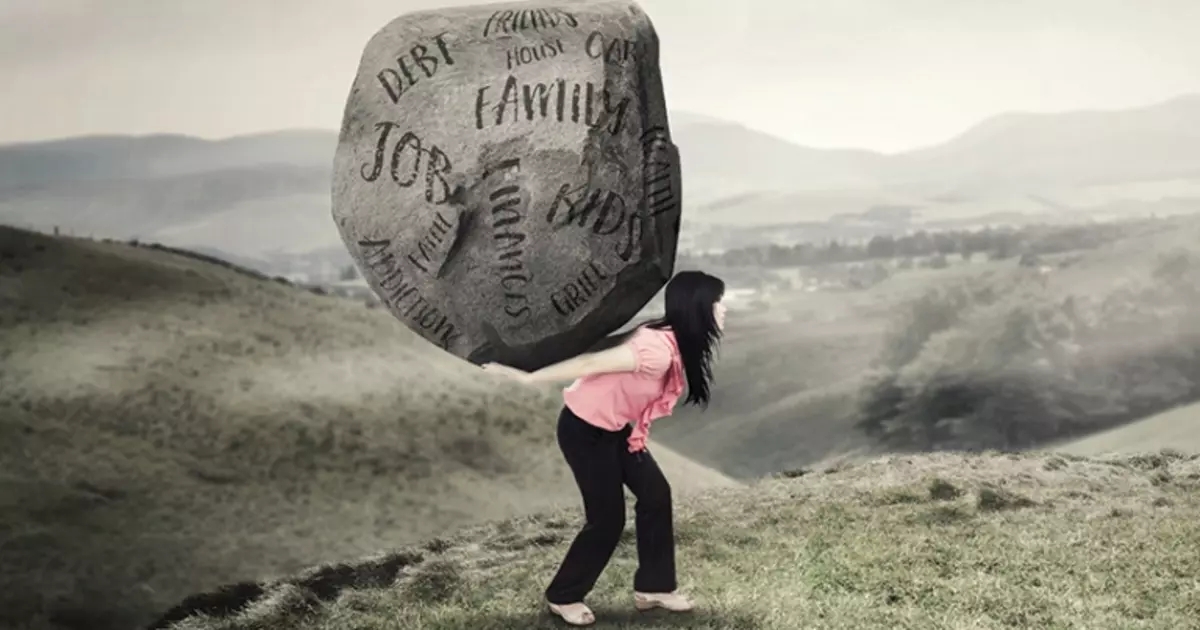
The imagery of this verse vividly portrays using both hands to lift a heavy burden off our shoulders. Similarly, we can use our hands of prayer and promises in God’s Word to cast our burdens.

Casting Helpers
Knowing that we are not able to bear the burdens ourselves, God has promised us helpers for our time of need:

  • Holy Spirit: When your head is spinning with the seemingly unending worries, and your heart is wounded with the taunting attacks of the enemy, there is a helper who is always by your side: the Holy Spirit of God. Romans 8:26 says: “In the same way, the Spirit helps us in our weakness. We do not know what we ought to pray for, but the Spirit himself intercedes for us through wordless groans.”
  • Jesus our High Priest: Jesus who tasted the pains and sufferings of mankind, is now glorified and sitting at the right hand of God, is our advocate in heaven. Hebrews 4:15–16 (ESV) says “For we do not have a high priest who is unable to sympathize with our weaknesses, but one who in every respect has been tempted as we are, yet without sin. Let us then with confidence draw near to the throne of grace, that we may receive mercy and find grace to help in time of need.”

Casting Example
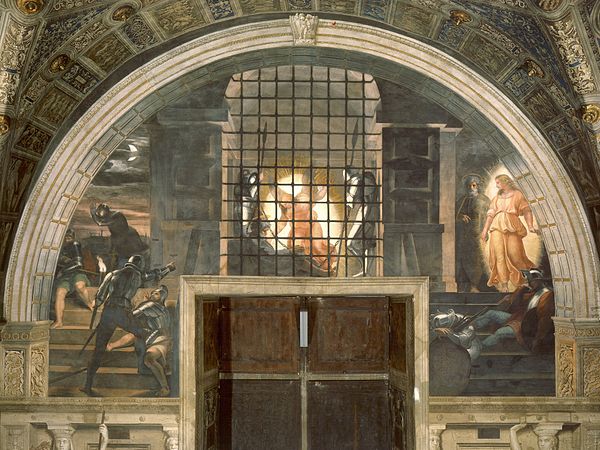
A perfect example of someone who truly trusted the Lord during his trial is Peter himself, the writer this verse! Acts 12:6 says “The night before Peter was to be placed on trial, he was asleep, fastened with two chains between two soldiers. Others stood guard at the prison gate.”
Herod had imprisoned Peter and his life was in danger but knowing that his life was secure in God’s hands, Peter slept well that night.

Life Application
Life often brings burdens that feel overwhelmingly heavy. But in the original Greek version, we’re encouraged to fling these worries and anxieties onto the Lord. Let Him carry them, for He genuinely cares about every part of our lives and our well-being. Hebrews 13:5 assures us that Jesus said, “I will never leave you nor forsake you.” When the enemy’s roar seems deafening, step forward and roar back with the voice of Jesus – the Lion of Judah ! Proclaim His promises over your pain, and you’ll find the peace of God that surpasses all understanding.

Spanish version: ​https://dewdropsofmanna.com/spanish-pages-list/echa-tus-preocupaciones/

Hindi version:​ ​https://bit.ly/3K5XmFr

Untie The Unqualified

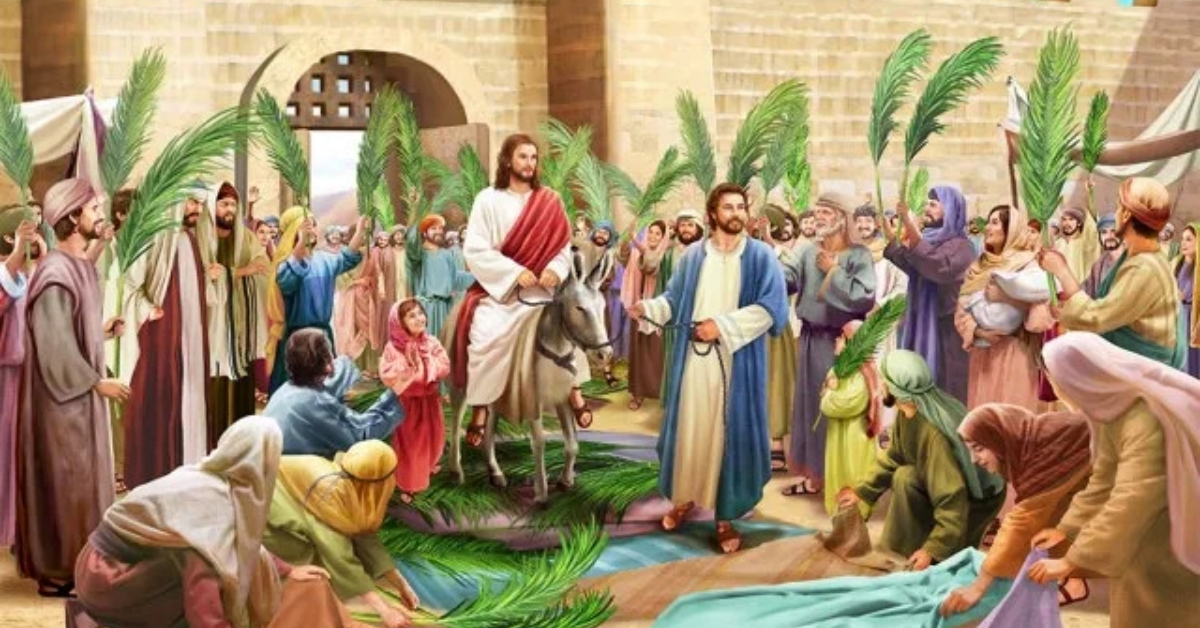
Picking the best airline or rental car is crucial for any travel venture. It is especially important when our trips involve impactful missions or crucial meetings. But on his most important journey, Jesus chose the a humble mode of transportion: a donkey.

Mark 11:1-3: “And said to them, “Go into the village in front of you, and immediately as you enter it you will find a colt tied, on which no one has ever sat. Untie it and bring it. If anyone says to you, ‘Why are you doing this?’ say, ‘The Lord has need of it..”

Lord Needs It
Jesus sends two disciples to get him a colt to ride into Jerusalem. Interestingly, this is the only time the words “The Lord has need of it” is mentioned in the Bible. God, all-powerful and lacking nothing, at times invites us to join Him in performing miracles. Similar to the boy sharing his lunch with Jesus, or the people whom Jesus asked to take away the stone from Lazarus’ tomb, God may involve us in these moments.

Reason for the Donkey Ride
So why did Jesus choose a donkey? Let’s explore some of the reasons:

  • Perfector of Past Prophecy: About 500 years prior to this event, Zechariah had prophecied this: “Behold, your king is coming to you; righteous and having salvation is he, humble and mounted on a donkey, on a colt, the foal of a donkey.” (Zechariah 9:9).
  • Perfect Servant: Gospel of Mark portrays Jesus as the Suffering Servant. Jesus rides a borrowed donkey, similar to Him borrowing Peter’s boat for preaching, and later borrowing Joseph of Arimathea’s tomb for burial. He chose the donkey to emphasize that he connects with the poor and oppressed. What a humble Savior we have!
  • Perfect Peacemaker: In the Old Testament, kings used to arrive on donkeys in order to signify that they come in peace. Horses were used in wars, and as decorated animals to signify a victory in a war. So this lowly donkey was indeed the right choice for the Master who came to give us peace with God!
  • Perfector of Future Prophecy: Jesus came on a donkey in his first coming because it wasn’t yet time to come on a horse. Revelation Chapter 19 shows Jesus riding triumphantly on a white horse.

Unqualified Yet Untied
This donkey would be the least likely choice if Jesus tasked his disciples with finding the best one for him to ride. Training a new colt to ride is a long process. This colt did not have the training or experience that was needed to carry the King of Kings into a Triumphant entry. Moreover, it wasn’t in the same village, making it unlikely to be discovered. But the Master knew exactly which animal he has chosen and his instructions was : Untie him!

Glory to God Alone
This humble donkey, whose name, town, and owners remain unknown, received no recognition for its work. When chosen by God for a task, we should ensure all glory goes to Him.

Life Application
If Jesus used this lowly animal to carry Him, He certainly can use you! If the enemy convinced you that you are indeed an inferior, remember that the Master knew the one that was inexperienced, outside and tied up!
1 Corinthians 1:27 says: “But God chose what is foolish in the world to shame the wise; God chose what is weak in the world to shame the strong;” His Word is everlasting and His promises are unchanging. So, you too can have hope, if you choose to trust Him and make yourselves available for Him!

Leave a comment